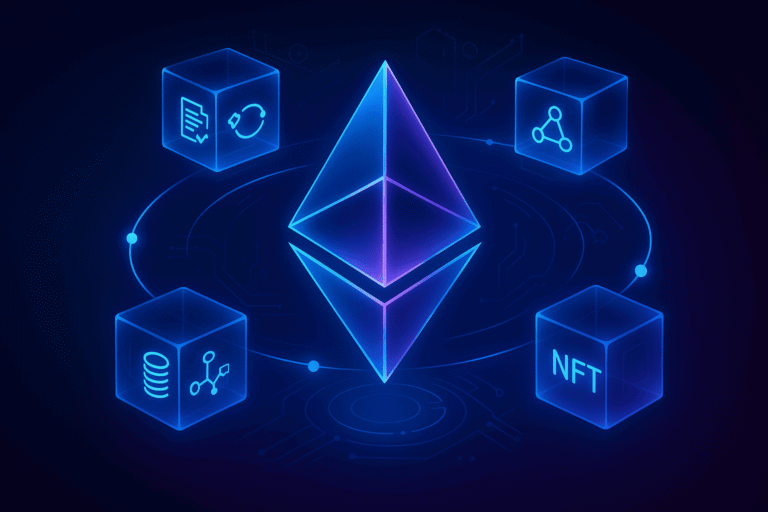

Cryptocurrency anchors decentralized computing by aligning economic incentives with distributed workloads. Tokenized governance, stake-based influence, and liquidity assets enable transparent participation and resilient networks. Smart contracts codify trustless collaboration, while cross-chain interoperability supports modular, scalable architectures. The result is auditable, borderless computation where rights and responsibilities are embedded in the protocol. Yet questions remain about governance equilibria, security envelopes, and long-term sustainability—challenges that will shape the next phase of this ecosystem.
What Decentralized Computing Is and Why Cryptocurrency Matters
Decentralized computing refers to a networked system where computing resources—processing power, storage, and data—are distributed across multiple independent nodes rather than centralized in a single data center.
The architecture enables resilient collaboration and autonomous coordination, aligning incentives through incentive misalignment mitigation.
DAO utility emerges as governance and task allocation solidify, while token liquidity fuels liquidity-first participation, advancing passive governance and scalable, freedom-respecting networks.
Key Token-Economy Mechanisms for Participation
The framework emphasizes actionable metrics, verifiable activity, and modular incentives that scale with impact.
Staking incentives encourage long-term commitment, while governance incentives empower participants to steer protocol direction, fostering decentralized ownership, resilience, and strategic alignment with overarching freedom-driven objectives.
How Consensus, Smart Contracts, and Trustless Collaboration Work
How do consensus mechanisms, smart contracts, and trustless collaboration interlock to enable secure, automated computation? The architecture orchestrates verifiable agreement, autonomous execution, and resilient collaboration. Consensus mechanisms align participants, smart contracts encode rules, and trustless collaboration reduces intermediaries. Incentive design motivates correct behavior, preserving integrity while enabling scalable, programmable ecosystems that empower freedom through transparent, auditable, borderless computation.
Real-World Design Patterns for Inclusive Decentralized Networks
The architecture of inclusive decentralized networks emerges from translating proven mechanisms—consensus, smart contracts, and trusted collaboration—into real-world patterns that scale across diverse participants.
Strategic governance stacks align DeFi governance with interoperability, enabling transparent decision rights.
NFT incentives reward contribution and longevity, fostering engagement without central bottlenecks.
Technical patterns emphasize modularity, auditability, and peer enforcement, creating resilient, freedom-forward ecosystems.
See also: The Importance of Ethereum in the Web3 Ecosystem
Conclusion
Decentralized computing will not flourish without a principled token economy that aligns stake, governance, and incentive design. By blending governance tokens, participation rewards, and liquidity instruments, networks can achieve auditable, trustless collaboration across borders. Consensus, smart contracts, and modular interoperability unite into a scalable, resilient fabric where incentives embed rights and responsibilities directly in the protocol. As with a compass, the token economy points toward inclusive, borderless computation—guiding communities toward value, accountability, and enduring cooperation. Poised, we advance.